How to Use Rudraksha: A Complete Guide to Wearing, Care, and Precautions
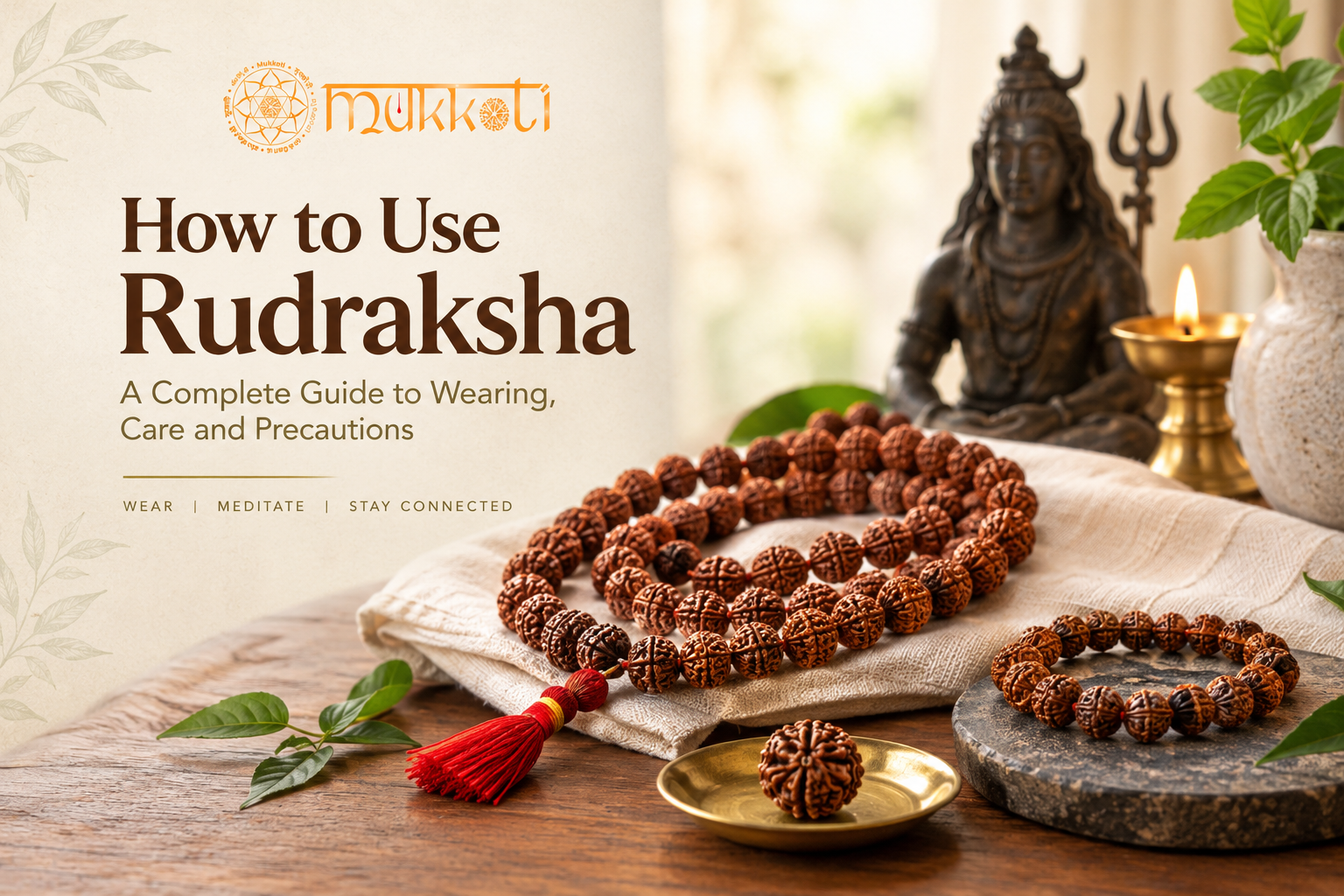
How to Use Rudraksha: A Complete Guide to Wearing, Care, and Precautions
Rudraksha has been revered for centuries in Hindu traditions as a sacred bead associated with Lord Shiva. From wearing a Rudraksha bracelet to using a Rudraksha mala for prayer and meditation, these natural beads hold a special place in the spiritual lives of many devotees.
If you are planning to wear Rudraksha for the first time, you may have questions such as: How should you wear it? Is there a specific time to wear it? Can you wear it every day? What precautions should you follow?
In this guide, we will explore how to use Rudraksha, the traditional practices associated with it, and the essential precautions to help you care for your sacred beads.
1. What Is Rudraksha?
Rudraksha is the natural seed of trees belonging to the Elaeocarpus genus. It is traditionally associated with Lord Shiva and is commonly used in prayer, meditation, and other spiritual practices.
The name Rudraksha is traditionally interpreted as being connected to Rudra, a form of Lord Shiva, and Aksha, meaning eye.
Rudraksha beads are available in different varieties, identified by the number of natural lines or faces, known as Mukhis, on their surface. Each Mukhi has its own traditional significance in Hindu spiritual practices.
Rudraksha is commonly used in three forms:
Rudraksha Mala: Used for japa, mantra recitation, and meditation.
Rudraksha Bracelet: A convenient way to wear Rudraksha as part of daily life.
Single Rudraksha Bead: Worn or kept for personal devotional practice.
2. How to Wear Rudraksha
Wearing Rudraksha can be a meaningful part of your spiritual routine. While customs differ across traditions, the following practices can help beginners get started.
Step 1: Choose a Rudraksha That Suits You
Before purchasing a Rudraksha, understand your purpose. You may wish to use it for prayer, meditation, daily wear, or mantra chanting.
The five-Mukhi Rudraksha is commonly used in traditional malas and is often a practical starting point for beginners.
Choose a bead from a trustworthy seller who can provide clear information about its natural structure, Mukhi identification, quality, and origin where known.
Step 2: Clean the Bead Gently
If your Rudraksha is new, inspect it for dirt, moisture, or visible damage.
If cleaning is needed, gently wipe the bead with a soft, slightly damp cloth and allow it to dry completely. Avoid soaking it unnecessarily.
Some devotees also follow traditional purification rituals before wearing Rudraksha. You may follow the practices of your family tradition or spiritual teacher if you wish.
Step 3: Offer a Prayer
Many devotees prefer to begin wearing Rudraksha on a Monday, a day traditionally associated with Lord Shiva. However, this is a customary practice rather than a universal requirement.
You may sit in a clean, peaceful place, offer a prayer to Lord Shiva, and recite a mantra such as:
Om Namah Shivaya
The intention is to begin your practice with devotion and mindfulness.
Step 4: Wear It Comfortably
Rudraksha can be worn as a bracelet, pendant, or mala, depending on your preference and spiritual tradition.
Ensure that the thread, cord, or chain is secure and comfortable. Avoid tying it so tightly that it causes skin irritation or restricts movement.
There is no need to force yourself to wear Rudraksha continuously. If you are uncomfortable or concerned about damaging the bead, you can remove it and keep it in a clean, dry place.
3. How to Use Rudraksha for Japa and Meditation
One of the traditional uses of Rudraksha is mantra chanting, also known as japa.
A Rudraksha mala can help you maintain focus while repeating a mantra.
Here is a simple practice for beginners:
A 108-bead mala is commonly used for traditional japa, although malas may come in different configurations.
The purpose of this practice is to encourage concentration, devotion, and consistency. You do not need to begin with long sessions; a few minutes of regular practice can be a simple way to establish a routine.
4. Can You Wear Rudraksha Every Day?
Many devotees wear Rudraksha daily as part of their spiritual practice. However, whether to wear it continuously depends on personal preference, the condition of the bead, and the customs of your tradition.
If you choose to wear Rudraksha daily:
You do not have to wear Rudraksha 24 hours a day for your devotional practice to be meaningful.
5. Essential Precautions When Using Rudraksha
Although Rudraksha is a natural seed, proper care is important to preserve its condition.
Avoid Prolonged Exposure to Water
Frequent soaking or prolonged exposure to water can affect the bead and its thread over time.
Remove your Rudraksha before swimming or bathing, particularly if it has a delicate cord or metal fittings. If it becomes wet, dry it thoroughly before storing it.
Keep It Away From Harsh Chemicals
Perfumes, detergents, cleaning agents, alcohol-based sprays, and other harsh chemicals may damage the bead, thread, or metal components.
It is best to apply perfumes and skincare products before putting on your Rudraksha and allow them to dry.
Avoid Excessive Heat
Do not leave Rudraksha in direct sunlight for long periods or expose it to high temperatures.
Excessive heat may dry out the natural seed and contribute to cracking.
Handle It Gently
Rudraksha has a naturally textured surface. Avoid dropping it, striking it against hard objects, or pulling forcefully on its thread.
Check the bead occasionally for cracks, loose fittings, or signs of deterioration.
Do Not Apply Oils Without Understanding the Care Requirements
Some traditional care practices recommend oiling Rudraksha beads, but unnecessary or excessive oil can attract dust and leave residue.
If you intend to use oil, follow reliable care guidance appropriate for your particular bead. Avoid applying unknown substances or using aggressive cleaning methods.
Store It Properly
When you are not wearing your Rudraksha, keep it in a clean, dry pouch or container away from direct sunlight, excess moisture, and sharp objects.
Make sure the bead is completely dry before storing it.
6. Traditional Rules and Beliefs About Rudraksha
Several customs and beliefs are associated with Rudraksha. These may differ among families, spiritual teachers, and regional traditions.
Some devotees prefer to:
* Wear Rudraksha after offering prayers to Lord Shiva. * Recite “Om Namah Shivaya” regularly. * Keep the bead in a clean place when it is not being worn. * Follow guidance from their spiritual teacher regarding wearing and removing it. * Treat the bead with respect as part of their devotional practice.
You may also encounter traditional restrictions concerning food, alcohol, sleep, or particular activities. Such rules are not uniform across all traditions, so it is helpful to understand the customs you choose to follow rather than assuming that every rule applies to everyone.
7. Common Mistakes to Avoid
If you are new to Rudraksha, keep these common mistakes in mind.
Choosing only by appearance: A polished or attractive bead is not necessarily authentic. Look for transparent product information and reliable sourcing.
Believing expensive means better: Price alone does not establish authenticity or spiritual value.
Ignoring care: Water, harsh chemicals, rough handling, and improper storage can shorten the life of the bead.
Following every online claim: Not all claims about Rudraksha are supported by reliable evidence. Consult knowledgeable sources for traditional practices and avoid guaranteed promises about health, wealth, or other outcomes. Wearing an uncomfortable bracelet: Your Rudraksha should not cause persistent itching, redness, or discomfort. Remove it if irritation occurs.
8. Frequently Asked Questions About Rudraksha
Can beginners wear Rudraksha?
Yes. Rudraksha is used by many people who are beginning their spiritual journey. A five-Mukhi Rudraksha is a common starting point, though personal traditions and preferences may differ.
Which day is best to wear Rudraksha?
Monday is traditionally associated with Lord Shiva and is a popular day for beginning to wear Rudraksha. However, there is no single day followed by every tradition.
Can I sleep while wearing Rudraksha?
Practices differ. Some people remove Rudraksha before sleeping to avoid damaging the bead or cord, while others follow their own traditional guidance. Removing it is a practical option if you move around a lot during sleep.
Can I wear Rudraksha while bathing?
It is generally advisable to remove Rudraksha before bathing, swimming, or using soaps and shampoos. This helps protect the natural bead and its thread or fittings.
How should I clean my Rudraksha?
Wipe it gently with a soft, slightly damp cloth when necessary, then allow it to dry completely. Avoid harsh chemicals and unnecessary soaking.
Does Rudraksha have scientifically proven health benefits?
Rudraksha has a long history of spiritual and cultural use. However, claims that it cures diseases, controls blood pressure, or guarantees specific health outcomes should not be treated as established medical facts. It should not replace appropriate medical care.
Conclusion: Wear Rudraksha With Care and Devotion
Rudraksha is more than a natural bead for many devotees; it is a symbol of faith, mindfulness, and connection with Lord Shiva.
Whether you choose a Rudraksha mala for japa, a bracelet for daily wear, or a single bead for your personal practice, the key is to understand its traditional significance and care for it properly.
Choose an authentic bead, follow the practices that are meaningful within your tradition, and protect it from water, chemicals, heat, and rough handling.
At Mukkoti, we believe that every sacred product deserves to be chosen with understanding and cared for with reverence.
Begin your Rudraksha journey with knowledge, devotion, and mindful care.
Disclaimer: This article is intended for educational and cultural purposes. Traditional practices may vary, and Rudraksha should not be considered a substitute for medical treatment or professional advice.
Rudraksha has been revered for centuries in Hindu traditions as a sacred bead associated with Lord Shiva. From wearing a Rudraksha bracelet to using a Rudraksha mala for prayer and meditation, these natural beads hold a special place in the spiritual lives of many devotees.
If you are planning to wear Rudraksha for the first time, you may have questions such as: How should you wear it? Is there a specific time to wear it? Can you wear it every day? What precautions should you follow?
In this guide, we will explore how to use Rudraksha, the traditional practices associated with it, and the essential precautions to help you care for your sacred beads.
1. What Is Rudraksha?
Rudraksha is the natural seed of trees belonging to the Elaeocarpus genus. It is traditionally associated with Lord Shiva and is commonly used in prayer, meditation, and other spiritual practices.
The name Rudraksha is traditionally interpreted as being connected to Rudra, a form of Lord Shiva, and Aksha, meaning eye.
Rudraksha beads are available in different varieties, identified by the number of natural lines or faces, known as Mukhis, on their surface. Each Mukhi has its own traditional significance in Hindu spiritual practices.
Rudraksha is commonly used in three forms:
Rudraksha Mala: Used for japa, mantra recitation, and meditation.
Rudraksha Bracelet: A convenient way to wear Rudraksha as part of daily life.
Single Rudraksha Bead: Worn or kept for personal devotional practice.
2. How to Wear Rudraksha
Wearing Rudraksha can be a meaningful part of your spiritual routine. While customs differ across traditions, the following practices can help beginners get started.
Step 1: Choose a Rudraksha That Suits You
Before purchasing a Rudraksha, understand your purpose. You may wish to use it for prayer, meditation, daily wear, or mantra chanting.
The five-Mukhi Rudraksha is commonly used in traditional malas and is often a practical starting point for beginners.
Choose a bead from a trustworthy seller who can provide clear information about its natural structure, Mukhi identification, quality, and origin where known.
Step 2: Clean the Bead Gently
If your Rudraksha is new, inspect it for dirt, moisture, or visible damage.
If cleaning is needed, gently wipe the bead with a soft, slightly damp cloth and allow it to dry completely. Avoid soaking it unnecessarily.
Some devotees also follow traditional purification rituals before wearing Rudraksha. You may follow the practices of your family tradition or spiritual teacher if you wish.
Step 3: Offer a Prayer
Many devotees prefer to begin wearing Rudraksha on a Monday, a day traditionally associated with Lord Shiva. However, this is a customary practice rather than a universal requirement.
You may sit in a clean, peaceful place, offer a prayer to Lord Shiva, and recite a mantra such as:
Om Namah Shivaya
The intention is to begin your practice with devotion and mindfulness.
Step 4: Wear It Comfortably
Rudraksha can be worn as a bracelet, pendant, or mala, depending on your preference and spiritual tradition.
Ensure that the thread, cord, or chain is secure and comfortable. Avoid tying it so tightly that it causes skin irritation or restricts movement.
There is no need to force yourself to wear Rudraksha continuously. If you are uncomfortable or concerned about damaging the bead, you can remove it and keep it in a clean, dry place.
3. How to Use Rudraksha for Japa and Meditation
One of the traditional uses of Rudraksha is mantra chanting, also known as japa.
A Rudraksha mala can help you maintain focus while repeating a mantra.
Here is a simple practice for beginners:
- Find a quiet and comfortable place.
- Sit in a relaxed position and take a few calm breaths.
- Hold the mala gently in your hand.
- Begin reciting a mantra, such as “Om Namah Shivaya.”
- Move one bead at a time as you repeat the mantra, following the method taught in your tradition.
- 6. Continue for as long as feels comfortable.
A 108-bead mala is commonly used for traditional japa, although malas may come in different configurations.
The purpose of this practice is to encourage concentration, devotion, and consistency. You do not need to begin with long sessions; a few minutes of regular practice can be a simple way to establish a routine.
4. Can You Wear Rudraksha Every Day?
Many devotees wear Rudraksha daily as part of their spiritual practice. However, whether to wear it continuously depends on personal preference, the condition of the bead, and the customs of your tradition.
If you choose to wear Rudraksha daily:
- Keep it clean and dry.
- Check the thread or cord regularly.
- Remove it when an activity could damage the bead.
- Pay attention to skin irritation or discomfort.
- Store it safely when you are not wearing it.
You do not have to wear Rudraksha 24 hours a day for your devotional practice to be meaningful.
5. Essential Precautions When Using Rudraksha
Although Rudraksha is a natural seed, proper care is important to preserve its condition.
Avoid Prolonged Exposure to Water
Frequent soaking or prolonged exposure to water can affect the bead and its thread over time.
Remove your Rudraksha before swimming or bathing, particularly if it has a delicate cord or metal fittings. If it becomes wet, dry it thoroughly before storing it.
Keep It Away From Harsh Chemicals
Perfumes, detergents, cleaning agents, alcohol-based sprays, and other harsh chemicals may damage the bead, thread, or metal components.
It is best to apply perfumes and skincare products before putting on your Rudraksha and allow them to dry.
Avoid Excessive Heat
Do not leave Rudraksha in direct sunlight for long periods or expose it to high temperatures.
Excessive heat may dry out the natural seed and contribute to cracking.
Handle It Gently
Rudraksha has a naturally textured surface. Avoid dropping it, striking it against hard objects, or pulling forcefully on its thread.
Check the bead occasionally for cracks, loose fittings, or signs of deterioration.
Do Not Apply Oils Without Understanding the Care Requirements
Some traditional care practices recommend oiling Rudraksha beads, but unnecessary or excessive oil can attract dust and leave residue.
If you intend to use oil, follow reliable care guidance appropriate for your particular bead. Avoid applying unknown substances or using aggressive cleaning methods.
Store It Properly
When you are not wearing your Rudraksha, keep it in a clean, dry pouch or container away from direct sunlight, excess moisture, and sharp objects.
Make sure the bead is completely dry before storing it.
6. Traditional Rules and Beliefs About Rudraksha
Several customs and beliefs are associated with Rudraksha. These may differ among families, spiritual teachers, and regional traditions.
Some devotees prefer to:
* Wear Rudraksha after offering prayers to Lord Shiva. * Recite “Om Namah Shivaya” regularly. * Keep the bead in a clean place when it is not being worn. * Follow guidance from their spiritual teacher regarding wearing and removing it. * Treat the bead with respect as part of their devotional practice.
You may also encounter traditional restrictions concerning food, alcohol, sleep, or particular activities. Such rules are not uniform across all traditions, so it is helpful to understand the customs you choose to follow rather than assuming that every rule applies to everyone.
7. Common Mistakes to Avoid
If you are new to Rudraksha, keep these common mistakes in mind.
Choosing only by appearance: A polished or attractive bead is not necessarily authentic. Look for transparent product information and reliable sourcing.
Believing expensive means better: Price alone does not establish authenticity or spiritual value.
Ignoring care: Water, harsh chemicals, rough handling, and improper storage can shorten the life of the bead.
Following every online claim: Not all claims about Rudraksha are supported by reliable evidence. Consult knowledgeable sources for traditional practices and avoid guaranteed promises about health, wealth, or other outcomes. Wearing an uncomfortable bracelet: Your Rudraksha should not cause persistent itching, redness, or discomfort. Remove it if irritation occurs.
8. Frequently Asked Questions About Rudraksha
Can beginners wear Rudraksha?
Yes. Rudraksha is used by many people who are beginning their spiritual journey. A five-Mukhi Rudraksha is a common starting point, though personal traditions and preferences may differ.
Which day is best to wear Rudraksha?
Monday is traditionally associated with Lord Shiva and is a popular day for beginning to wear Rudraksha. However, there is no single day followed by every tradition.
Can I sleep while wearing Rudraksha?
Practices differ. Some people remove Rudraksha before sleeping to avoid damaging the bead or cord, while others follow their own traditional guidance. Removing it is a practical option if you move around a lot during sleep.
Can I wear Rudraksha while bathing?
It is generally advisable to remove Rudraksha before bathing, swimming, or using soaps and shampoos. This helps protect the natural bead and its thread or fittings.
How should I clean my Rudraksha?
Wipe it gently with a soft, slightly damp cloth when necessary, then allow it to dry completely. Avoid harsh chemicals and unnecessary soaking.
Does Rudraksha have scientifically proven health benefits?
Rudraksha has a long history of spiritual and cultural use. However, claims that it cures diseases, controls blood pressure, or guarantees specific health outcomes should not be treated as established medical facts. It should not replace appropriate medical care.
Conclusion: Wear Rudraksha With Care and Devotion
Rudraksha is more than a natural bead for many devotees; it is a symbol of faith, mindfulness, and connection with Lord Shiva.
Whether you choose a Rudraksha mala for japa, a bracelet for daily wear, or a single bead for your personal practice, the key is to understand its traditional significance and care for it properly.
Choose an authentic bead, follow the practices that are meaningful within your tradition, and protect it from water, chemicals, heat, and rough handling.
At Mukkoti, we believe that every sacred product deserves to be chosen with understanding and cared for with reverence.
Begin your Rudraksha journey with knowledge, devotion, and mindful care.
Disclaimer: This article is intended for educational and cultural purposes. Traditional practices may vary, and Rudraksha should not be considered a substitute for medical treatment or professional advice.